
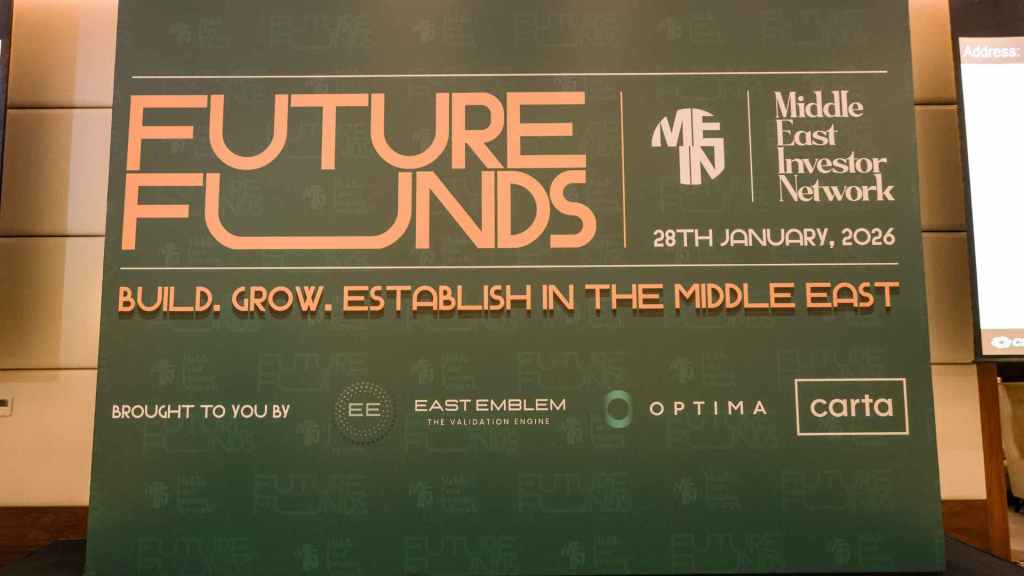
GSA Ventures was invited to participate in Future Funds in Abu Dhabi, marking our first on-the-ground experience in the region. Beyond the quality of the conversations, the event offered valuable insight into how capital, trust, and long-term relationships truly work in the Middle East investment ecosystem.
Here are our key takeaways from the event and what they signal about the current state of investment in the region.
Capital Is Abundant — Trust Is Not Automatic
There is no question about the scale of capital flowing into the region. Similar to Singapore, the Middle East—particularly the UAE—is one of the most active global hubs for investment today. Investors are open, globally minded, and increasingly flexible, even adapting their schedules to collaborate across time zones.
However, one message was consistent throughout the event: being a foreign fund manager is not a shortcut to trust. Coming from North America or Europe does not automatically confer credibility. Trust must be earned locally, patiently, and over time.
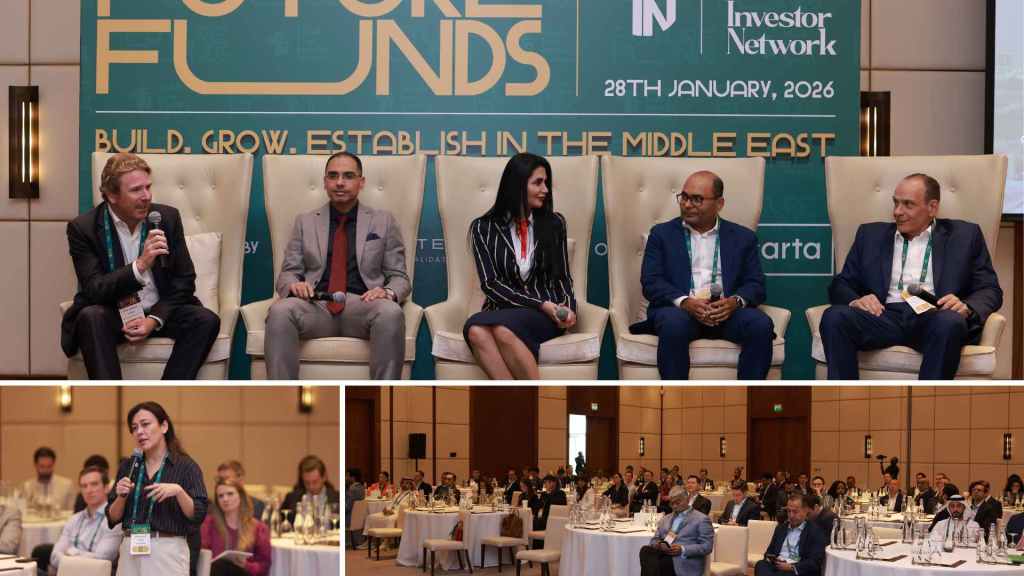
This was made clear during the opening panel, “Beyond the Pitch: What Leading LPs Look for in Next-Gen Fund Managers.”
What LPs Are Really Looking For
While LPs are actively seeking diversification, they are equally focused on long-term partnerships that go beyond traditional funding models. A recurring theme was the importance of strong, modern infrastructure—systems that allow VC funds to manage portfolios efficiently without passing unnecessary costs back to LPs.
This point was emphasized by Dr Ahmed Mansour, CEO at the Private Department of H.E. Sheikh Mohammed Bin Khalid Al Nahyan, who highlighted how operational discipline and transparency are increasingly non-negotiable.
Hashem Shehabi, Head of Investments at Halkin Investments Middle East, reinforced the need for funds to think beyond standard narratives. LPs want fund managers who speak honestly about risk—not just upside—and who can clearly articulate how different downside scenarios will be managed. This level of realism builds credibility and trust.
Jaspreet Randhawa also stressed a point that is often overlooked: funds must be aligned with the right investor profiles. Too often, managers focus on raising capital without ensuring alignment in expectations, timelines, and risk tolerance—an issue that can create friction later.
Similarly, Rajesh Ranjan, Head of Investment at Ali & Sons Holding, noted that aggressive fundraising approaches are poorly received. In this market, relationship-building consistently outperforms short-term selling.
Long-Term Presence and Local Impact Matter
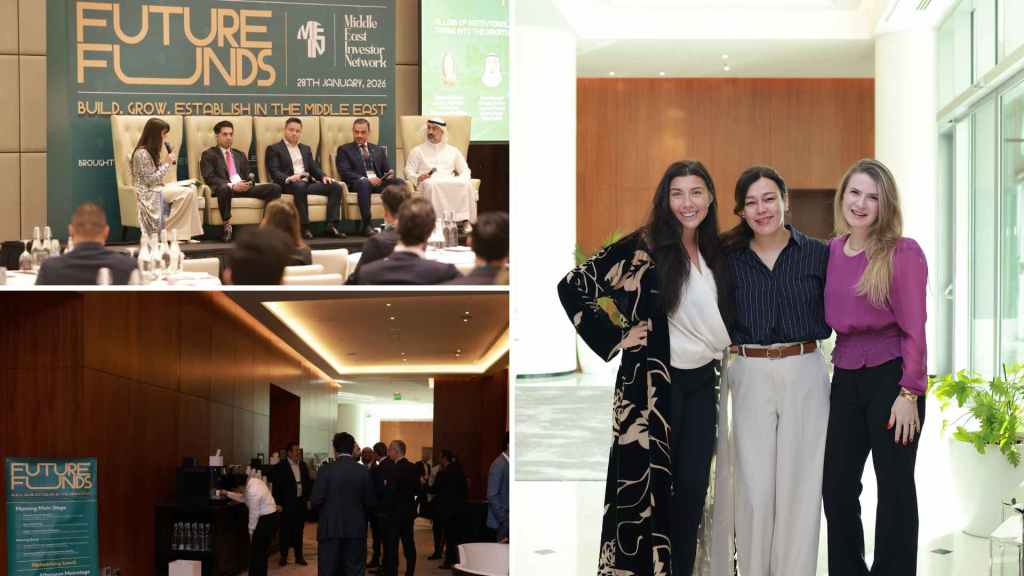
The next session, “The Pillars of Institutional Alpha: Mastering Growth, Scalability, and Opportunity in the GCC’s New Investment Order,” reinforced another critical theme: investors welcome foreign participation, but local impact is essential.
LPs are interested in managers who are committed to the region—not just financially, but operationally and strategically. Long-standing relationships, local engagement, and tangible regional value creation matter just as much as returns.
Digital Transformation: Progress with Caution
Two roundtable discussions offered a different but equally important perspective.
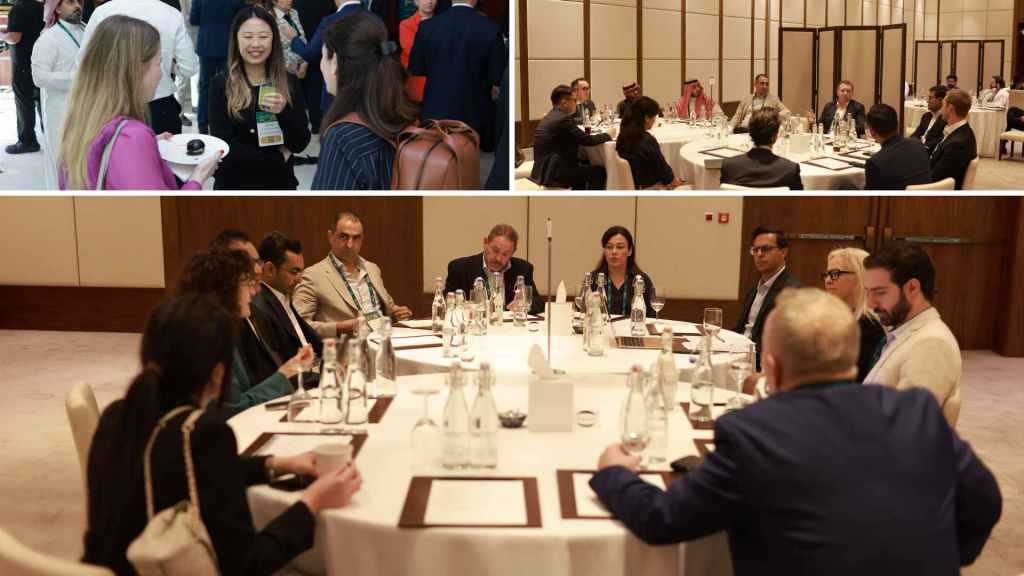
The first, “Digital Transformation Strategies: Mastering Technology for Operational Alpha and Fund Growth,” hosted by Simone Macleod-Narin, explored how investors are adopting technology—particularly AI—within their operations.
The conversation was refreshingly pragmatic. While AI presents powerful opportunities, most participants acknowledged that adoption remains partial. The human component still plays a critical role in investment decision-making. There was also open discussion about data privacy and security risks, especially given the open-source nature of many tools. The consensus: AI adoption is inevitable, but discretion around what data is shared and how tools are deployed is crucial.
Raising Capital in the Middle East: Presence Is Everything
The second roundtable, “Unlocking Middle East Capital: A Strategic Roadmap for Sourcing and Vetting Investors,” chaired by Ian Higgins, was particularly insightful.
Ian emphasized a point that cannot be overstated: raising capital in the Middle East requires real presence. This is not a market where occasional visits are sufficient. Building trust demands time, consistency, and genuine engagement with family offices, LPs, and local funds.
Reputation is everything—and once damaged, extremely difficult to rebuild.
Participants also spoke candidly about the challenges of networking: identifying credible counterparts, filtering out false promises, and avoiding time-wasting conversations. While this is a universal issue across markets, it was refreshing to hear it discussed openly and honestly.
Final Reflections
The Middle East presents significant untapped potential. While the market has its own dynamics, many of the challenges—trust, alignment, execution—are shared globally.
What stood out most is the opportunity to learn from one another. Different regions bring different perspectives, but there is strong common ground for collaboration. With patience, local commitment, and long-term thinking, meaningful partnerships can be built—and the upside is substantial.
Join us tomorrow in a LinkedIn Live conversation about Pre-Seed and other matters of the venture capital world.
 gsa.vc
Leave a comment