
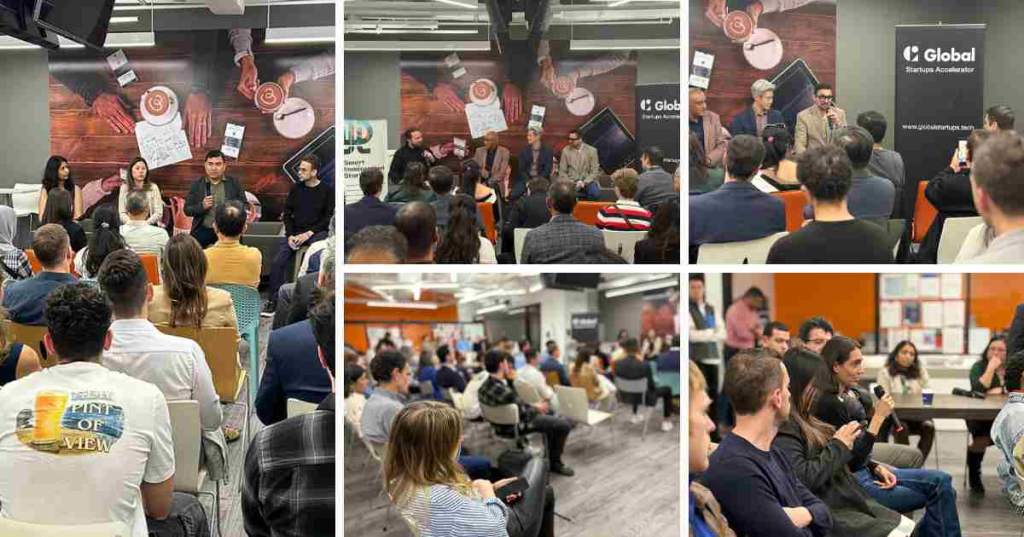
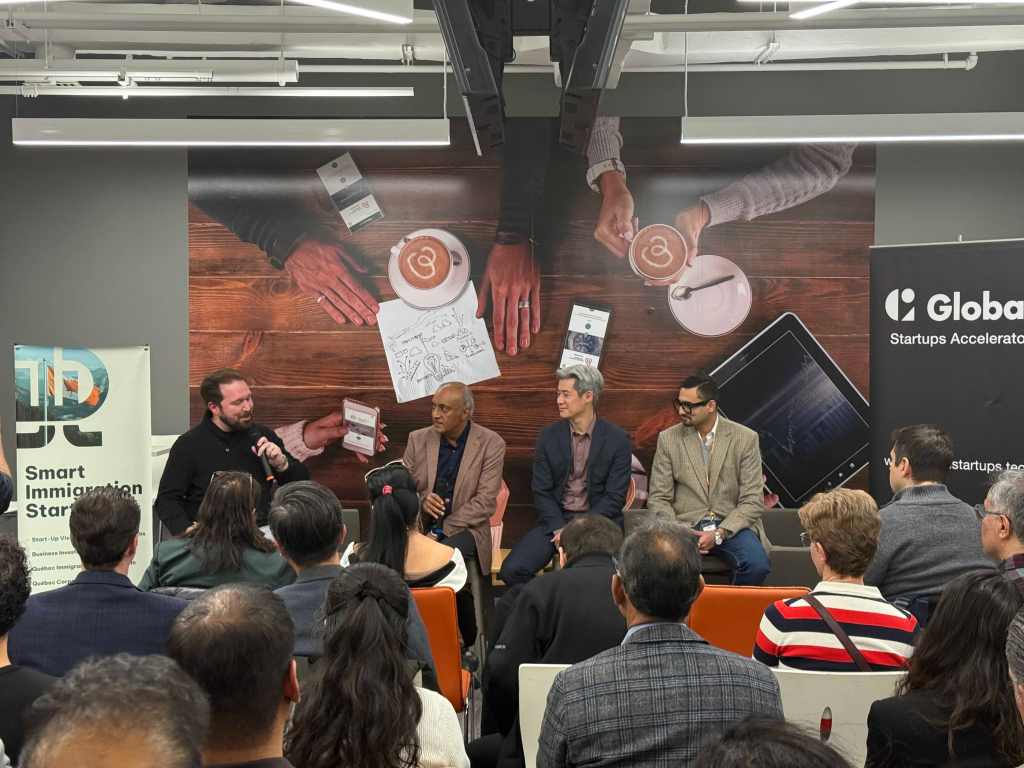
At Global Startups, our sister organization, we host more than 30 events every year—from roundtables to investor lunches to international delegations. But one series continues to stand out: Lessons Learned: Investors & Funders.
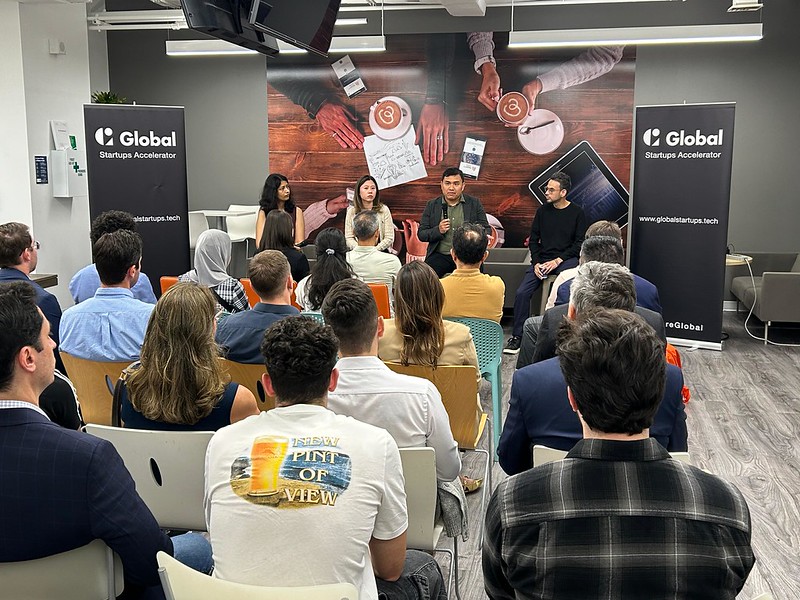
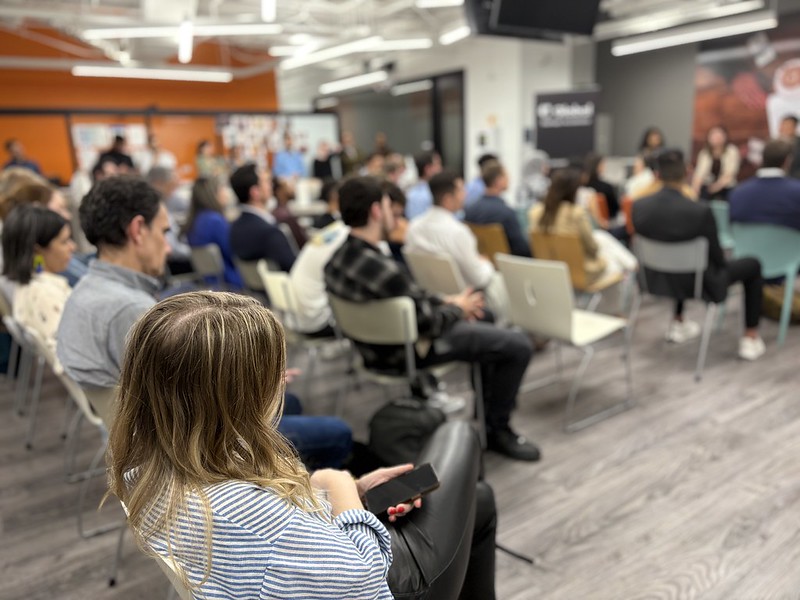
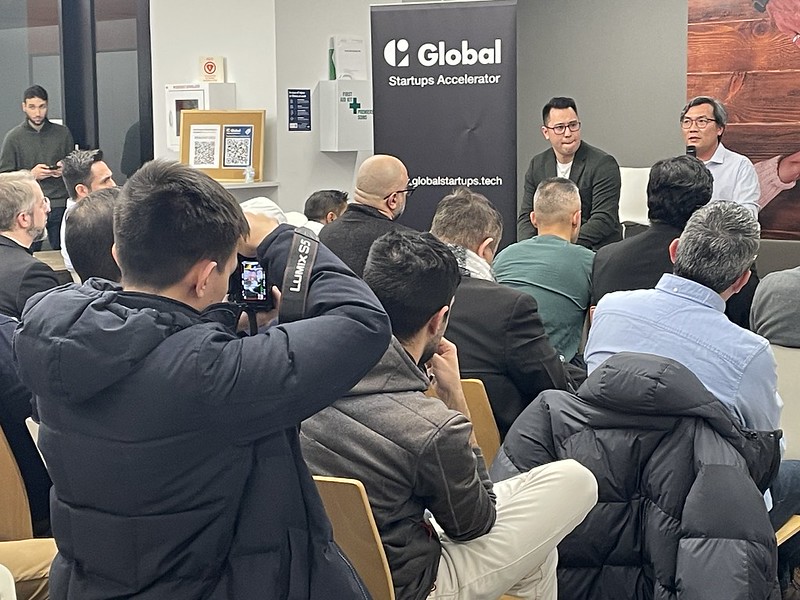
This year, Global Startups hosted five of these panels, each bringing together a mix of VCs, family offices, angels, grant experts, and government leaders who support early-stage founders. And the conversations revealed something important about the state of pre-seed investing in Canada.
Investors and Founders Agree—But They Don’t Know It Yet
Across all five panels, one theme came up again and again:
Investors say there aren’t enough fundable startups.
Startups say investors aren’t willing to take risks.
And the truth?
They’re both right.
Investors do understand that early-stage investing is risky—but their job is to de-risk those decisions. For that to happen, founders must present strong, compelling information: clear models, real traction, defensible markets, and transparent data.
Startups sometimes underestimate how much work this requires.
Investing is not philanthropy.
It’s a business decision.
At the same time, investors also play a role. Many early-stage founders lose valuable time because investors fail to give a clear yes—or no. Too often, conversations are left in limbo, creating confusion and slowing down a founder’s ability to move forward.

What Startups Need to Improve
Startups must learn how investors think:
- Why risk matters
- What information reduces that risk
- Which documents are essential
- How to articulate the business opportunity in investor language
This is why investment education for founders is so critical. Investors want to fund startups—but only when the story is structured, verifiable, and scalable.
What Investors Need to Improve
Investors also have responsibilities:
- Evaluate startups with the right criteria
- Be transparent about your position—if you’re not investing, say so
- Provide quick, honest feedback
- Avoid leaving founders in the dark
If you don’t have capital available, if the startup doesn’t meet your thesis, or if your pipeline is full—just tell the founder. Transparency builds trust, strengthens the ecosystem, and helps startups focus on the right opportunities.
Better investor education is essential too. Understanding pre-seed risk, evaluating global founders, and setting honest expectations improves outcomes for everyone.

Why Pre-Seed Matters Most
At GSA Ventures, we believe pre-seed is the most important round of all. It sets the foundation for everything that comes next:
- Product development
- Customer validation
- Team growth
- Seed and Series A readiness
When the pre-seed round is structured properly—with good terms, clarity, transparency, and realistic expectations—both the startup and the investor win long-term.
Our Commitment for 2026: Stronger Startups + Stronger Investors
Next year, Global Startups will continue:
- Lessons Learned: Investors & Funders
- Training sessions for founders who want to become investable
- Support for global founders navigating the Canadian market
Meanwhile, GSA Ventures will expand its work with:
- Aspiring investors
- New angels joining the ecosystem
- Early-stage investors who want to refine their deal evaluation
This includes our Lunch & Learn series, plus a major new initiative:
⭐ The First Pre-Seed Summit at the Global Startups Conference — June 16, 2026
A gathering dedicated entirely to early-stage capital, founder readiness, investor training, and building a stronger pre-seed ecosystem.
Join Us
If you want to stay connected, learn, and grow alongside this community:
👉 Subscribe to our newsletter
👉 Join our events
👉 Participate in training sessions
👉 Connect with founders and investors building Canada’s next wave of global companies
We love seeing people eager to raise capital, learn from each other, and invest together in the future of innovation.
 gsa.vc
Leave a comment