

The conventional “go big or go home” venture narrative is evolving toward a more diverse approach to company exits.
Phased exits can serve both founder and investor interests without requiring a binary outcome. These alternative paths enable venture-backed companies to pursue liquidity events at multiple stages, balancing the financial needs of existing stakeholders while also preserving the long-term growth potential of the business.
Understanding these options can transform how founders and investors approach venture capital.
The Limitations of the Traditional Exit Model
The “all-or-nothing” mentality often forces companies to premature sales or delays liquidity as investors and founders try to execute the perfect exit.
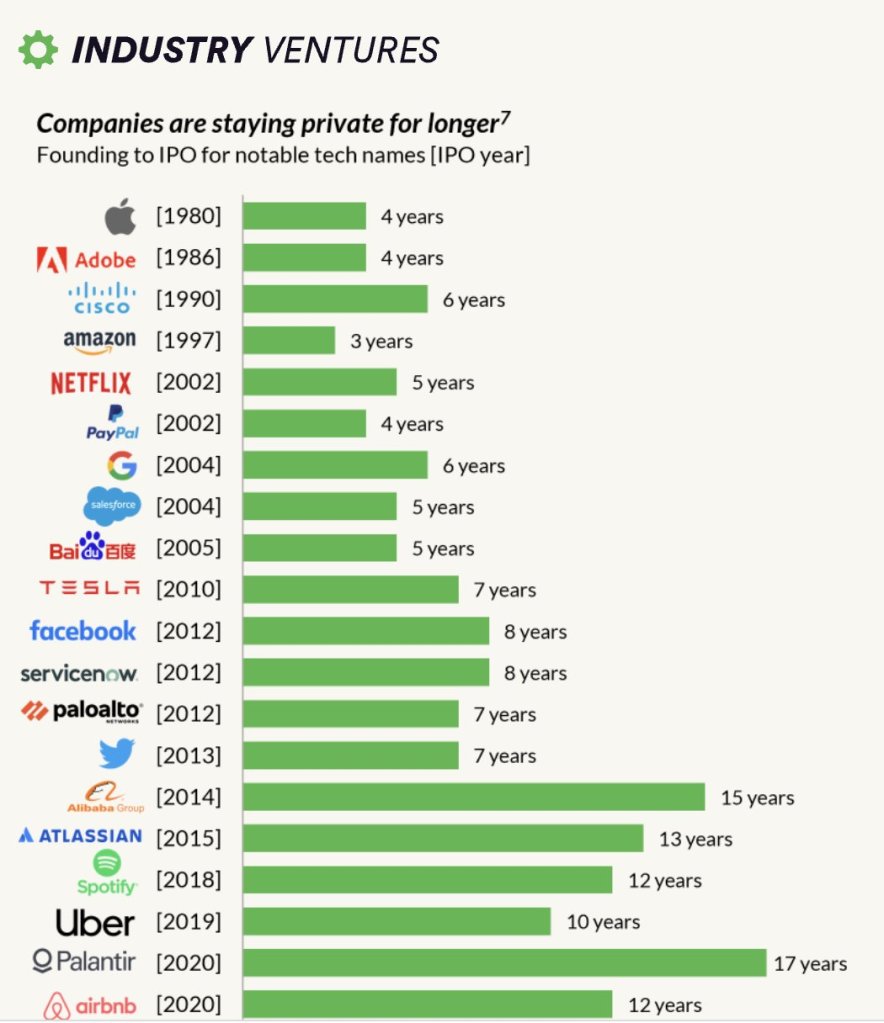
The traditional mentality around VC-exits originated when venture capital was primarily focused on the quick path to the public markets. With companies staying private for longer today, it means founders may wait 10+ years for a liquidity event.
This creates tension: founders typically want to continue building while getting access to a portion of their paper wealth, and VCs need to generate returns within a specific time horizon to satisfy their investment mandate.
Secondary Transactions
Secondary sales allow startups to unlock partial liquidity without triggering a full company exit.
This type of transactions offer early investors an exit option that match their investment horizon. When structured properly, secondaries can reduce pressure for premature exits while providing companies additional runway to keep scaling.
Over the last 10 years, secondary markets have matured significantly and represent a legitimate alternative to traditional fundraising and exit mechanisms. Between 2012 and 2023, the global market for venture secondary deals grew from $13 billion to $63 billion.

Partial Acquisitions
Partial acquisitions create immediate liquidity for early investors while allowing founding teams to retain operational control of their companies.
In these transactions, strategic investors or private equity firms acquire a minority or majority stake without assuming full ownership. For VCs, these deals provide a clear exit at attractive multiples, particularly when companies reach a growth plateau or requires resources beyond traditional venture capital. The acquirers typically bring industry expertise, operational resources, and distribution networks that catalyze a company’s next growth phase. Founders benefit from this hybrid structure by maintaining a meaningful equity position while still gaining access to growth capital.
These arrangements offer an elegant alternative when traditional exit options of continued VC funding may not be optimal.
Conclusion
These phased exit strategies reflect the evolving reality of venture: startup success comes in many forms, beyond the traditional IPO or acquisition.
Alternative exit models can allow founders to pursue ambitious growth trajectories with longer time horizons, while still delivering the outsized returns that venture investors require.
The ultimate measure of success in venture capital isn’t hitting a specific exit milestone, but creating value that benefits all stakeholders involved.
 gsa.vc
Leave a comment